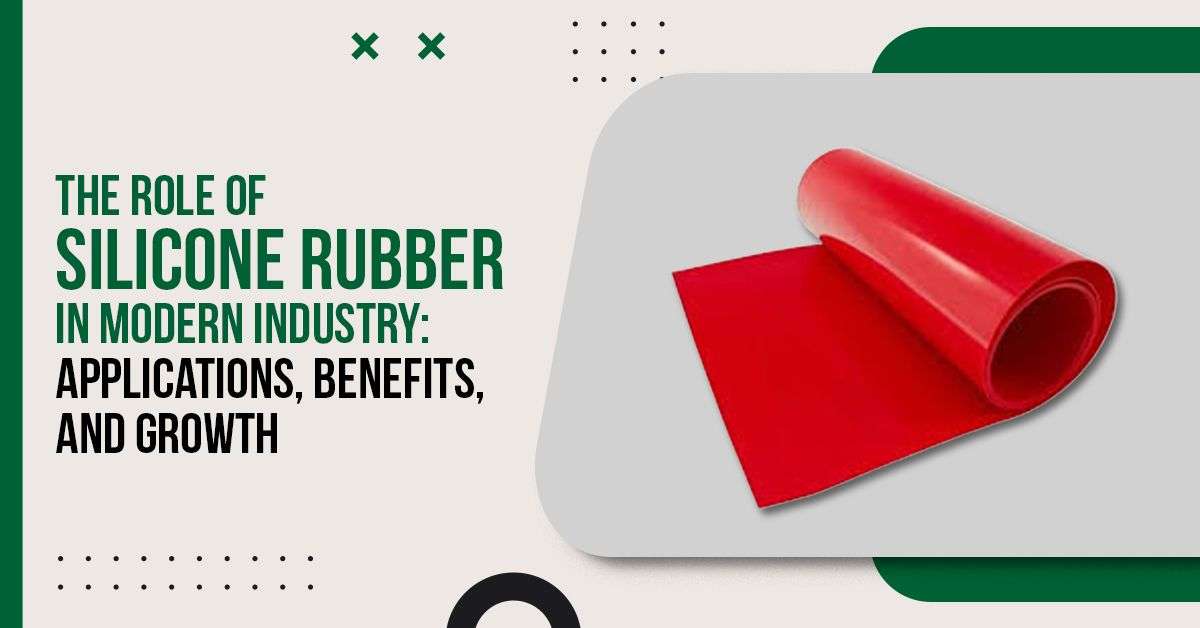
The Role of Silicone Rubber in Modern Industry: Applications, Benefits, and Growth
Silicone rubber has become one of the industry’s most versatile materials. It solves practical problems across a wide range of sectors — from automotive sealing to consumer electronics and food-contact applications. At Easkay India, where we make components in rubber, PU, PVC and plastics, silicone sits alongside other polymers as a go-to material when long-term reliability, thermal stability and electrical insulation matter.
What Makes Silicone Rubber Valuable?
Wide Temperature Range
Silicone maintains flexibility and mechanical performance across a broad span of temperatures, which makes it ideal for parts exposed to heat or cold.
Durability and Resilience
It resists weathering, ozone and UV better than many commodity rubbers, making it suitable for outdoor and industrial environments.
Chemical and Electrical Resistance
Silicone is an excellent electrical insulator and shows good resistance to many chemicals and fluids, making it suitable for seals and gaskets in electrical and fluid-handling systems.
Processability and Pigmentability
Many silicone grades are easy to color and compound, helping meet aesthetic or color-coding requirements. Several commercial silicone bases are also available with food-contact approvals.
Key Industrial Applications
Seals, Gaskets and O-Rings
Silicone’s stable properties and compatibility with many fluids make it common in static and dynamic seals used in appliances, HVAC systems, battery covers, and industrial assemblies. Easkay India manufactures a wide range of O-rings and washers suitable for such uses.
Keypads and Consumer Electronics Parts
Soft-touch interfaces and over-molded grips benefit from silicone’s durability and flexibility. Its electrical insulation properties add safety.
Food-Contact Components
Certain silicone grades meet regulatory standards for food contact, making them suitable for seals and components in food processing equipment.
Industrial Rollers and Vibration-Damping Parts
The material’s rebound and tear resistance make it useful in rollers, pads and anti-vibration components.
Automotive and Electrical Housings
Silicone’s stability under thermal cycling makes it suitable for under-hood seals, connectors and insulating covers.
Silicone Masking in Paint and Coating Industries
One rapidly growing application of silicone rubber is in masking solutions used in paint, powder coating, anodizing and surface treatment processes.
In industries such as automotive, appliance manufacturing, aerospace, and metal fabrication, certain surfaces, threads, holes, or sealing areas must remain free from coating. Silicone masking components are used to protect these areas during coating operations.
Why Silicone Is Preferred for Masking
- High temperature resistance, making it ideal for powder coating and curing ovens.
- Reusability, allowing masking plugs and caps to be used multiple times.
- Chemical resistance, enabling use in plating, anodizing, and coating baths.
- Flexibility, ensuring tight sealing of holes and threads.
- Easy removal, reducing damage or coating defects.
Typical masking products include:
- Silicone masking plugs
- Silicone masking caps
- Silicone Washers
- Silicone tubes and sleeves
- Custom masking components
Benefits for Manufacturers and End Users
Predictable Lifecycle Performance
Silicone components age more slowly compared with many commodity rubbers, reducing maintenance frequency.
Customization without Compromise
Silicone formulations can be tuned for hardness, color, and performance using fillers and additives.
Broad Environmental Tolerance
Resistance to ozone, UV exposure and temperature variations reduces failures in demanding environments.
Regulatory Pathways
Food-grade silicones and material documentation simplify compliance in regulated applications.
Design and Processing Considerations
Durometer Selection
Hardness affects sealing performance and durability; mid-range hardness often suits general sealing needs.
Cure System Matters
Different cure systems influence processing behavior and final properties; selection depends on production setup.
Fillers and Pigments
Fillers and pigments modify appearance and mechanical behavior; proper mixing ensures uniform quality.
Post-Cure
Many molded silicone parts undergo post-curing to stabilize performance in service.
Growth Drivers and Market Direction
Electrification and Electronics Growth
Increased electronics usage drives demand for insulating and sealing components.
Food and Hygiene Standards
Demand for compliant materials is growing in the food and medical industries.
Durability-First Design
Industries increasingly prefer materials that extend product life and reduce maintenance.
For manufacturers, selecting the right material ensures long-term value, and silicone often justifies its cost when reliability is critical.
Why Partner with a Specialist Manufacturer?
Working with an experienced supplier shortens development cycles and improves production outcomes. Easkay India’s capabilities across rubber, PU, PVC and plastics allow us to offer integrated solutions covering material selection, tooling, molding, and quality control. Our ISO 9001:2015 certification reflects our commitment to consistent industrial quality.
Practical Advice for Product Teams
- Define operating conditions before selecting materials.
- Validate parts under real service conditions.
- Consider manufacturability early to avoid production issues.
- Use verified manufacturer data and documentation.
Conclusion
Silicone rubber remains a practical workhorse in modern manufacturing, offering durability, flexibility and performance stability. For engineers and procurement teams focused on consistent performance, silicone provides a strong balance between reliability and lifecycle value.
Where applications demand thermal stability, electrical insulation, or chemical resistance, silicone continues to be a dependable choice. Partnering with a knowledgeable manufacturer ensures the right material and process selection for long-term success.