Modern industries are constantly evolving to meet demands for higher performance, reliability, and efficiency. As manufacturing technologies advance and products become more complex, materials used in production must also adapt. Among the materials that continue to prove their value across industries, silicone rubber stands out as one of the most versatile and reliable elastomers.
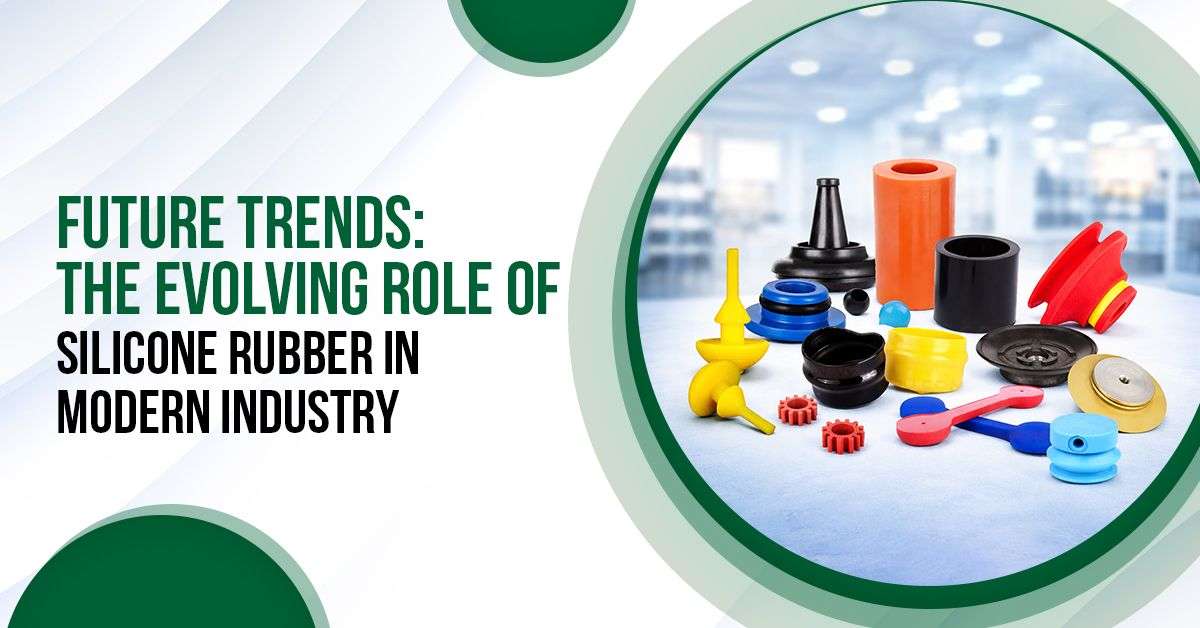
From automotive systems and cable manufacturing to electronics and coating operations, silicone rubber plays a critical role in ensuring consistent performance. At Easkay India, where we manufacture components in rubber, PU, PVC, and plastics, silicone rubber products such as silicone washers, O-rings, gaskets, sheets, masking components, plugs, and caps are increasingly being used across modern industries.
Growing Need for High-Performance Materials
Industrial operations today demand materials capable of withstanding challenging environments. Equipment runs continuously, temperatures fluctuate, and components are exposed to chemicals, pressure, and mechanical stress.
Silicone rubber offers advantages that make it ideal for such applications:
- Stability across wide temperature ranges
- Long-term flexibility and durability
- Excellent electrical insulation
- Resistance to ozone and weathering
- Compatibility with various industrial fluids and environments
Because of these properties, components like silicone washers, gaskets, and O-rings are replacing conventional rubber materials in many critical sealing applications.
As industries aim to reduce downtime and maintenance costs, the demand for durable silicone components continues to rise.
Electrification and Energy Infrastructure Growth
Rapid expansion in the electrical and energy sectors is another major driver for silicone rubber adoption. Electric vehicles, renewable energy projects, and upgrades in power transmission systems require reliable insulating and sealing materials.
Silicone rubber products are widely used in:
- High-voltage cable manufacturing
- Cable insulation processes
- Sealing systems in battery packs
- Electrical equipment insulation
- Cable production processes including CCV lines
Silicone’s ability to maintain electrical insulation and sealing performance under high temperatures makes silicone O-rings, gaskets, and sealing washers essential components in modern electrical systems.
Automation and Smart Manufacturing Expansion
Manufacturing plants are becoming smarter and more automated, relying heavily on robotics, sensors, and continuous production systems. These environments demand components that perform consistently with minimal maintenance.
Silicone components contribute to automation by providing:
- Reliable sealing in high-speed machinery
- Vibration damping for sensitive systems
- Protection for electronic assemblies
- Flexible sealing solutions in automated equipment
Products such as silicone sheets, gaskets, and molded seals are widely used in automated production lines where durability and precision are critical.
Growing Use of Silicone Masking in Coating Industries
A major area of growth is silicone rubber’s role in paint and coating operations. Industries such as automotive, appliances, metal fabrication, and heavy equipment manufacturing use coating processes where certain areas must remain free from paint or powder coating.
Silicone masking solutions are ideal for these applications because they can withstand high curing temperatures and repeated production cycles.
Common masking products include:
- Silicone masking plugs
- Silicone masking caps
- Silicone masking tubes
- Custom masking components
These products protect threads, holes, and functional surfaces during powder coating, painting, and plating operations.
Silicone masking components are preferred because they provide:
- High heat resistance
- Reusability over multiple cycles
- Chemical resistance
- Easy removal without surface damage
As coating technologies continue to evolve, demand for silicone masking plugs and caps will continue to grow.
Expansion in Healthcare and Food Processing Industries
Silicone rubber is increasingly used in industries that require hygienic and safe materials, such as healthcare and food processing.
Silicone’s non-toxic nature and resistance to temperature and chemicals make it suitable for:
- Food processing seals
- Equipment gaskets
- Tubing systems
- Hygienic sealing components
Products like silicone washers, sheets, and gaskets are commonly used where cleanliness and safety are critical requirements.
Sustainability and Longer Product Lifecycles
Sustainability is becoming an important factor in industrial decision-making. Manufacturers seek materials that reduce waste and improve product lifespan.
Silicone rubber contributes to sustainability by:
- Offering longer service life
- Reducing replacement frequency
- Supporting reusable components like masking plugs and caps
- Maintaining performance under harsh conditions
Reusable silicone masking products significantly reduce industrial waste compared to single-use alternatives.
Customization and Engineering Flexibility
Future manufacturing trends increasingly demand custom-engineered solutions instead of standard parts. Silicone rubber can be molded into various shapes, sizes, and hardness levels to meet application-specific requirements.
Custom products such as:
- Silicone washers
- O-rings
- Gaskets
- Sheets
- Masking plugs
- Protective caps
are often developed to match exact industrial requirements.
At Easkay India, we work closely with customers to develop silicone components tailored to their operating conditions, ensuring optimal performance and durability.
Increasing Role in Automotive and Mobility Industries
The automotive sector continues to adopt new technologies, particularly with electric vehicles and advanced electronics.
Silicone rubber products are widely used in:
- Battery pack sealing systems
- Electrical insulation
- Sensor protection
- Thermal management systems
- Protective caps and sealing components
As vehicles incorporate more electronics and thermal management systems, silicone rubber usage will continue to grow.
Future Outlook
As industries evolve, materials must support higher performance expectations. Silicone rubber continues to adapt through advancements in compounding and molding technologies.
Future developments will likely focus on:
- Higher durability sealing systems
- Advanced insulation materials
- Improved masking solutions
- Custom-engineered industrial components
Silicone rubber is well-positioned to meet future industrial challenges.
Conclusion
Silicone rubber continues to play an expanding role in modern industry due to its durability, flexibility, and performance stability. From sealing and insulation to masking and protective solutions, silicone products such as washers, O-rings, gaskets, sheets, masking plugs, and caps are becoming essential across industries.