Rubber Gasket Solutions: A Complete Buyer’s Guide for Industrial Applications
When it comes to ensuring leak-proof performance, vibration control, and long-term durability in industrial systems, rubber gasket solutions play an important role. Across sectors like automotive, electrical, oil & gas, and machinery, the demand for industrial rubber gasket components continues to grow—especially in high-activity regions like Delhi NCR.
If you’re searching for rubber gasket solutions, understanding materials, applications, and selection criteria is essential. This guide is designed to help buyers, procurement teams, and engineers make informed decisions.
What is a Rubber Gasket
A rubber gasket is a mechanical sealing component used between two or more surfaces to prevent leakage of fluids, gases, or contaminants. It is typically compressed between mating surfaces to create a tight seal, ensuring system integrity.
In industrial applications, industrial rubber gasket components are used to handle pressure, temperature fluctuations, and chemical exposure. Their flexibility and resilience make them ideal for both static and dynamic sealing applications.
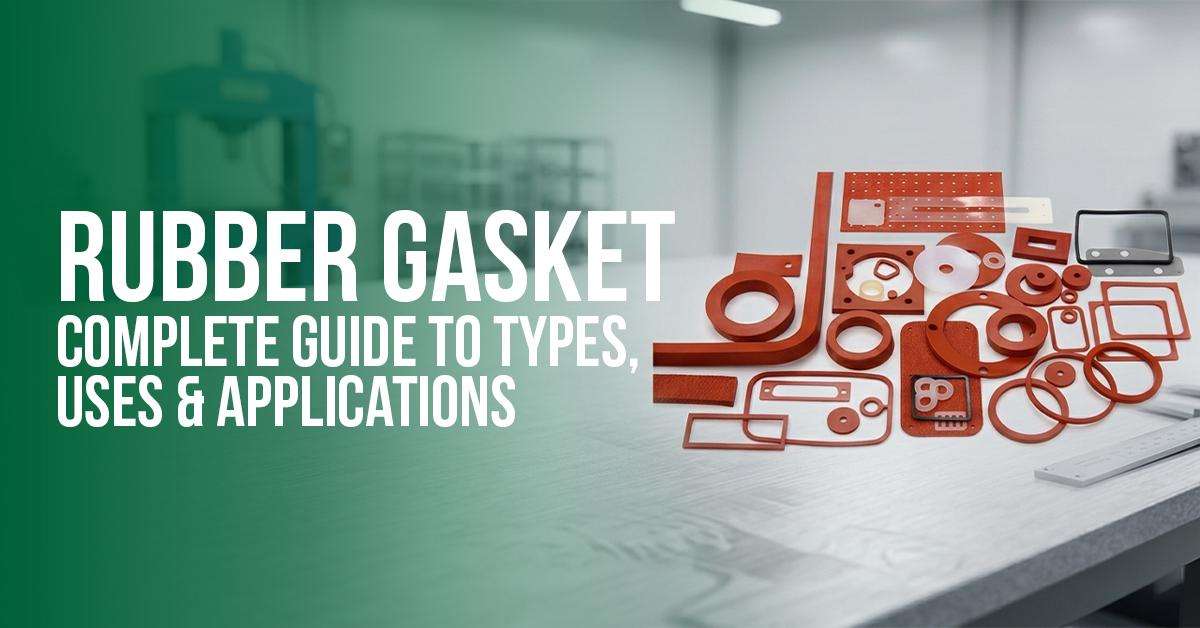
Types of Rubber Gaskets Used in Industry
Different applications require different types of rubber gasket solutions, depending on pressure, temperature, and environmental conditions.
Common types include:
- Flat Gaskets – Used in flanges and static sealing applications
- Ring Gaskets (O-Rings) – Circular sealing components for pipelines and machinery
- Spiral Wound Gaskets – Suitable for high-pressure systems
- Neoprene Gaskets – Used where oil and chemical resistance is needed
- EPDM Gaskets – Ideal for water, steam, and outdoor environments
- Silicone Gaskets – Preferred in high-temperature and food-grade applications
Common Materials Used in Rubber Gaskets
Choosing the right material is crucial for performance. Some widely used materials include:
- Nitrile Rubber (NBR): Excellent oil and fuel resistance
- EPDM Rubber: Superior resistance to weather, ozone, and water
- Silicone Rubber: High-temperature stability and flexibility
- Viton (FKM): Chemical and heat resistance for demanding environments
- Neoprene: Balanced performance for general industrial use
Each material is selected based on the operating environment, making industrial rubber gasket selection a key decision point for buyers.
Benefits of Using Rubber Gaskets
There’s a reason why rubber gasket solutions are widely used across industries:
- Leak Prevention: Ensures tight sealing in pipelines and equipment
- Vibration Absorption: Reduces mechanical stress and noise
- Chemical Resistance: Handles exposure to oils, fuels, and chemicals
- Temperature Flexibility: Performs across a wide temperature range
- Custom Fit: Can be designed for specific applications
For industries operating in demanding conditions, industrial rubber gasket components provide both reliability and efficiency.
Best Rubber Gasket Material for High Temperature
High-temperature environments require specialized materials. The most suitable options include:
- Silicone Rubber: Handles temperatures up to 200°C
- Viton (FKM): Ideal for chemical and heat resistance up to 200-300°C
- PTFE (Teflon-based): Used in extreme conditions with chemical exposure and high temperature
For buyers in sectors like oil & gas, automotive, and heavy machinery, selecting the right high-temperature rubber gasket is critical to avoid system failure.
Applications of Rubber Gaskets
The use of industrial rubber gasket solutions spans multiple industries:
- Automotive Industry: Engines, fuel systems, braking systems
- Electrical & Electronics: Insulation and sealing components
- Oil & Gas: Pipeline sealing and flange connections
- Water Treatment: Pumps, valves, and filtration systems
- Machinery & Equipment: Vibration control and sealing
FAQs About Rubber Gaskets
Q1: What is the best material for rubber gaskets?
The best material depends on the application. Nitrile is ideal for oil resistance, EPDM for water and weather, and silicone or Viton for high-temperature environments.
Q2: Where are rubber gaskets used?
Rubber gasket components are used in automotive systems, pipelines, machinery, electrical equipment, and industrial processing units.
Q3: How long do rubber gaskets last?
The lifespan depends on material and usage conditions. High-quality industrial rubber gasket components can last several years under proper operating conditions.
Q4: Can rubber gaskets withstand high temperatures?
Yes, materials like silicone and Viton are specifically designed for high-temperature applications, making them suitable for demanding industrial environments.
Q5: What industries use rubber gaskets?
Industries such as automotive, oil & gas, water treatment, electrical, and manufacturing heavily rely on rubber gasket solutions.
Q6: Why are rubber gaskets important in industrial applications?
They ensure leak-proof sealing, reduce vibration, improve efficiency, and protect equipment—making them essential in maintaining system performance.