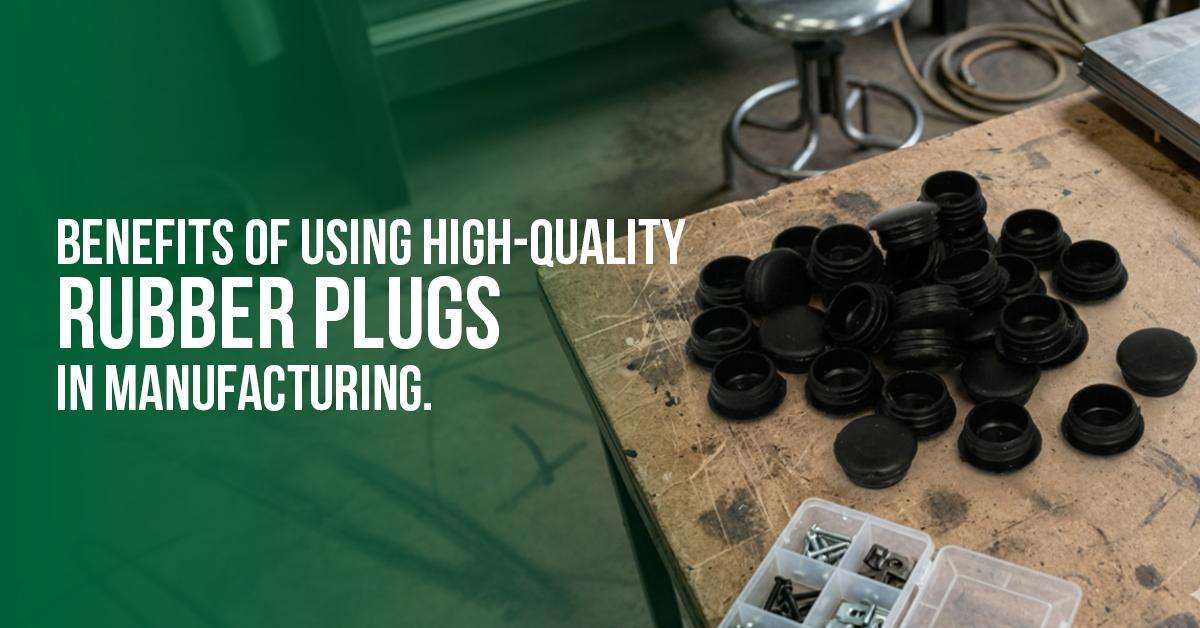
Rubber plugs are widely used in manufacturing to close holes, protect openings, and prevent dust, water, or chemicals from entering parts. They are simple components, but they help avoid damage, leakage, and rework.
Using good-quality rubber plugs makes daily operations smoother and reduces product rejection.
Why Rubber Plugs Are Used
Rubber plugs are used to seal, protect, and cover different types of openings during production, storage, and transport.
Common uses:
- Closing pipe ends and holes
- Protecting threads from damage
- Preventing dust and moisture entry
- Masking holes during painting or powder coating
Benefits of High-Quality Rubber Plugs
1. Better Sealing
Good rubber plugs fit properly and block leaks, dust, and moisture effectively.
2. Heat and Chemical Resistance
Materials like silicone and EPDM can handle high temperature and exposure to chemicals without damage.
3. Long Life and Reuse
High-quality plugs can be used multiple times without losing shape.
4. Proper Fit
Well-made plugs match exact sizes, making them easy to install and remove.
5. Cost Saving
Less rejection, less damage, and fewer replacements help reduce overall cost.
A Complete Guide to Rubber Plugs: Types, Sizes, and Uses Explained
Rubber plugs come in different shapes, sizes, and materials depending on the use.
Types of Rubber Plugs
1. Tapered Rubber Plugs
- Fit multiple hole sizes
- Easy to insert and remove
- Common for masking
2. Straight Rubber Plugs
- Fixed size fit
- Used where exact sealing is needed
3. Pull Tab Rubber Plugs
- Easy to remove with grip
- Used in coating and painting
4. Threaded Rubber Plugs
- Used for threaded holes
- Provide tight sealing
Materials Used in Rubber Plugs
- Silicone Rubber Plugs – Used for high temperature (up to ~250°C), ideal for powder coating
- EPDM Rubber Plugs – Good for outdoor and weather exposure
- Nitrile Rubber Plugs (NBR) – Used where oil resistance is needed
- Natural Rubber Plugs – Basic use, cost-effective
Rubber Plug Sizes and Custom Options
Rubber plugs are available in many sizes. Choosing the right size is important for proper sealing.
Things to check:
- Hole diameter
- Plug length
- Type of fit (tight or easy removal)
Custom rubber plugs help in:
- Better sealing
- Faster fitting
- Matching exact requirements
Common Uses of Rubber Plugs
Rubber plugs are used in many industries:
- Closing open pipe ends
- Protecting parts during transport
- Masking holes in powder coating
- Covering threaded holes
- Preventing dirt and moisture entry
How to Choose the Right Rubber Plug
Before selecting, check:
- Temperature requirement
- Exposure to oil or chemicals
- Size and fit
- Reuse requirement
Why Choose Easkay India for Rubber Plugs
Easkay India manufactures rubber plugs in different sizes and materials as per industry needs.
- Available in silicone, EPDM, nitrile, and more
- Custom sizes as per drawing or sample
- Consistent quality
- Suitable for bulk supply
Conclusion
Rubber plugs are simple but useful products that help protect parts, improve quality, and reduce loss. Choosing the right rubber plug improves overall work efficiency and product safety.