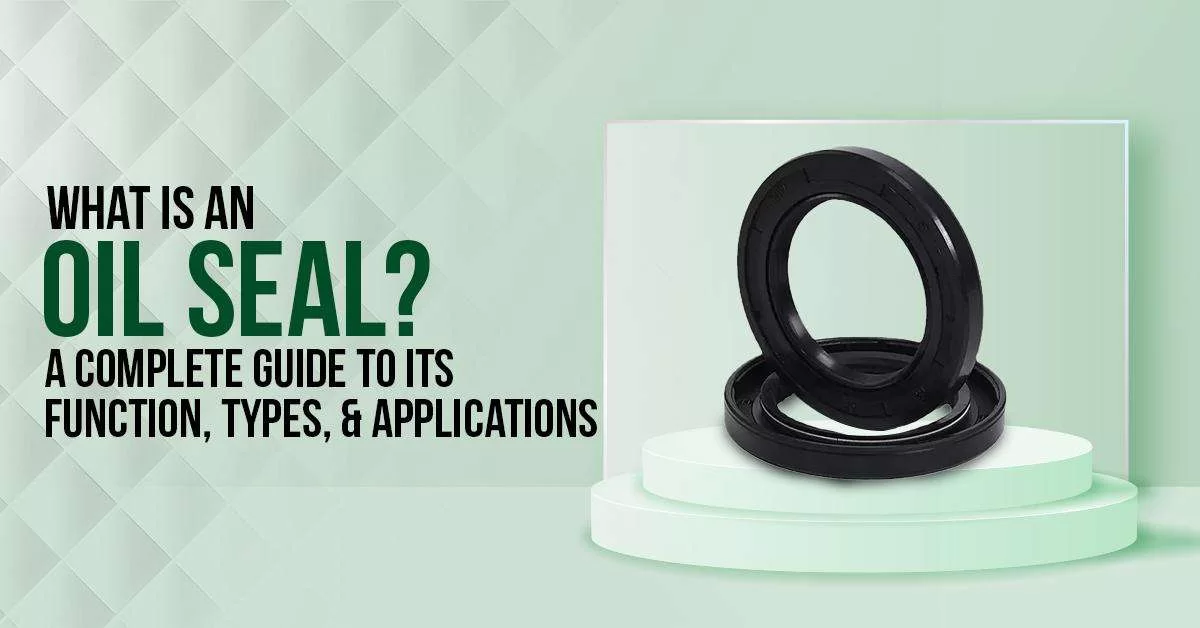
What Is an Oil Seal? A Complete Guide to Its Function, Types, and Applications
In industries where machinery efficiency and durability matter most, oil seals play a crucial role. Whether it’s in automotive engines, hydraulic systems, or heavy industrial machines, these small yet essential components prevent leakage, contamination, and equipment failure.
At Easkay India, one of the trusted oil seal manufacturers in India, we understand how importantl these components are to smooth industrial operations. This guide covers everything you need to know — from the basic function and types of oil seals to their materials, lifespan, and warning signs of failure.
What Is an Oil Seal?
An oil seal—also known as a rotary shaft seal, grease seal, or lip seal—is a mechanical component designed to prevent the leakage of lubricants and block contaminants like dust, dirt, and moisture from entering machinery.
Typically positioned between stationary and moving parts (like shafts, bearings, or housings), oil seals maintain proper lubrication within a system while ensuring that no
Function of an Oil Seal
The main purpose of an oil seal are
- Retain Lubricant: Oil seals keep oil, grease, or any other lubricant inside the housing or chamber, ensuring smooth operation and minimal friction.
- Exclude Contaminants: They act as a barrier against external contaminants like dust, dirt, and water, which can damage the internal components.
Types of Oil Seals
Depending on design, application, and working conditions, oil seals come in various types. Some of the most commonly used ones include:
1. Single Lip Oil Seal
This is the simplest form, designed mainly for sealing against fluids. It’s suitable for environments where contamination is minimal.
2. Double Lip Oil Seal
This version includes an additional dust lip to protect against external contaminants, making it ideal for dusty or dirty environments.
3. Cassette Oil Seal
Used in heavy-duty machinery, these seals come as pre-assembled units combining several sealing elements to ensure long-term performance.
4. V-Ring Seal
A flexible, all-rubber seal that fits directly on the shaft and seals axially against a counter face, commonly used as a secondary seal.
5. Metal-Cased Oil Seal
These seals combine a metal casing with an elastomer lip, offering durability and rigidity for high-pressure or high-speed applications.
Common Materials Used in Oil Seals
The material selection of an oil seal depends on the operating temperature, type of lubricant, and working conditions. Here are the most common materials used:
- Nitrile Rubber (NBR): Excellent for general-purpose sealing, resistant to oil and grease.
- Viton (FKM): Performs well in high-temperature environments and resists aggressive chemicals.
- Silicone Rubber: Flexible across wide temperature ranges; used in automotive and food industries.
- PTFE (Teflon): Offers outstanding chemical resistance and low friction — suitable for precision machinery.
At Easkay India, our team ensures every oil seal is made from high-quality materials to withstand pressure, temperature, and challenging industrial conditions.
Applications of Oil Seals
Oil seals are versatile and find applications in almost every industrial segment. Some key examples include:
- Automotive Industry: Engines, gearboxes, steering systems, and axles.
- Hydraulic Systems: Pumps, motors, and cylinders to prevent fluid leakage.
- Industrial Equipment: Gearboxes, compressors, and turbines.
- Agricultural Machinery: Tractors and harvesters for reliable sealing under rough conditions.
- Aerospace and Marine: Critical systems requiring high precision and durability.
Signs of a Failing Oil Seal
Recognizing early warning signs helps prevent larger mechanical issues. Some common indicators include:
- Oil Leakage: Visible fluid leakage around shafts or housings.
- Contamination: Dust or dirt accumulation inside sealed areas.
- Excessive Noise: Grinding or vibration due to lubrication loss.
- Overheating: Caused by friction and insufficient lubrication.
- Wear Marks on Shafts: Indicating seal lip damage or misalignment.
If you notice any of these symptoms, it’s best to inspect and replace the seal immediately to prevent damage to other components.
Why Choose Easkay India?
At Easkay India, we specialize in manufacturing and supplying high-quality oil seals for many industries. Our products are engineered for durability, leak-proof performance, and consistent results even in demanding conditions.
Final Thoughts
Oil seals may seem like small components, but their importance in maintaining the efficiency and longevity of machinery cannot be overstated. From automotive to heavy industries, they ensure smooth operation by keeping lubrication where it belongs.
Frequently Asked Questions (FAQs)
1. What is the main purpose of an oil seal?
The primary purpose of an oil seal is to prevent lubricants such as oil or grease from leaking out of machinery components, while also stopping contaminants like dirt, dust, or moisture from entering. This helps ensure smooth operation and extends the life of mechanical systems.
2. What are the common types of oil seals?
Common types include single-lip seals, double-lip seals, hydrodynamic seals, and cassette seals. Each type serves specific functions—single-lip seals prevent oil leakage, while double-lip seals also block contaminants. Hydrodynamic designs enhance sealing efficiency under rotation.
3. What materials are oil seals made from?
Oil seals are commonly made from nitrile rubber (NBR), fluoroelastomer (Viton), silicone rubber, polyacrylate, and PTFE. The choice of material depends on factors such as temperature range, chemical resistance, and type of lubricant used.
4. How long do oil seals typically last?
The lifespan of an oil seal depends on operating conditions like temperature, speed, pressure, and lubricant quality. Under normal use, a high-quality oil seal can last anywhere from 3 to 5 years or longer with proper maintenance.
5. What are the signs of a failing oil seal?
Common signs include oil leakage, visible cracks or wear on the seal, unusual noise from machinery, and reduced lubrication efficiency. Regular inspection and timely replacement of worn-out seals can prevent costly equipment damage.
Recent Posts