
Silicone rubber is one of the most versatile and reliable materials used in modern industries. From automotive to medical, electrical to food processing, silicone rubber plays an important role wherever durability, heat resistance, and flexibility are essential. Despite its widespread use, many people—especially those new to manufacturing may not fully understand what silicone rubber is and why it has become a preferred choice across sectors.
This beginner’s guide explains everything you need to know about silicone rubber: how it is made, its key characteristics, major applications, types, advantages, and why businesses use silicone-based components every day.
What exactly is Silicone Rubber?
Silicone rubber is an elastomer made from silicone, a polymer that contains silicon, carbon, hydrogen, and oxygen. Unlike natural rubber or many synthetic rubbers, silicone rubber is known for its high flexibility, excellent temperature resistance, and long-lasting performance even under challenging industrial applications.
How Silicone Rubber Is Made
The production of silicone rubber involves the following steps:
1. Polymer Creation
Silicon is extracted from silica (sand) and processed into silicone polymers. These polymers form the base material.
2. Compounding
Fillers, additives, pigments, and curing agents are blended with the silicone polymer. This stage defines the final properties such as hardness, color, flexibility, and heat resistance.
3. Shaping and Moulding
Depending on the application, silicone rubber is moulded through methods like compression moulding, injection moulding, or extrusion.
4. Curing
Heat or chemical curing solidifies the silicone rubber into its final form, providing elasticity and strength.
5. Quality Testing
Every batch is tested for hardness, tensile strength, elongation, tear resistance, and temperature performance.
At Easkay India, silicone components are manufactured with strict material selection and quality checks to ensure durability and consistent performance in industrial environments.
Key Properties of Silicone Rubber
Silicone rubber is well-known for its unique set of properties that most other rubbers cannot match:
1. Outstanding Temperature Resistance
Silicone performs reliably from about –50°C to +200°C, making it suitable for high-heat machinery, ovens, engines, and cold-storage equipment.
2. Excellent Flexibility
Even at low temperatures, silicone rubber stays flexible and does not crack or harden.
3. High Chemical Resistance
Silicone resists many chemicals, oils, water, and environmental exposure, making it suitable for industrial and automotive systems.
4. Electrically Insulating
Because silicone has excellent dielectric properties, it is widely used in electrical and electronic components.
5. Long Lifespan
Silicone rubber does not degrade quickly. It retains its physical properties over the years, even in demanding environments.
6. Non-Toxic and Food Safe
Food-grade silicone is safe for applications involving water, beverages, or consumables.
These properties make silicone rubber a preferred material for industries that require stability, safety, and performance.
Common Applications of Silicone Rubber
Silicone rubber is everywhere, even if you don’t notice it. Some of the most common industrial and commercial uses include:
1. Automotive Industry
- Seals and gaskets
- Sheets
- O-rings
- Maskings
2. Electrical & Electronics
- Insulation sleeves
- Connector seals
- Protective Plugs
3. Medical & Healthcare
- Tubing
- Seals
- Valves
- Washers
4. Food & Beverage Industry
- Food-grade pipes
- Gaskets
- Seals for equipment
- Baking and cooking tools
5. Industrial Machinery
- High-temperature gaskets
- Shock-absorbing components
- Sealing parts in chemical applications
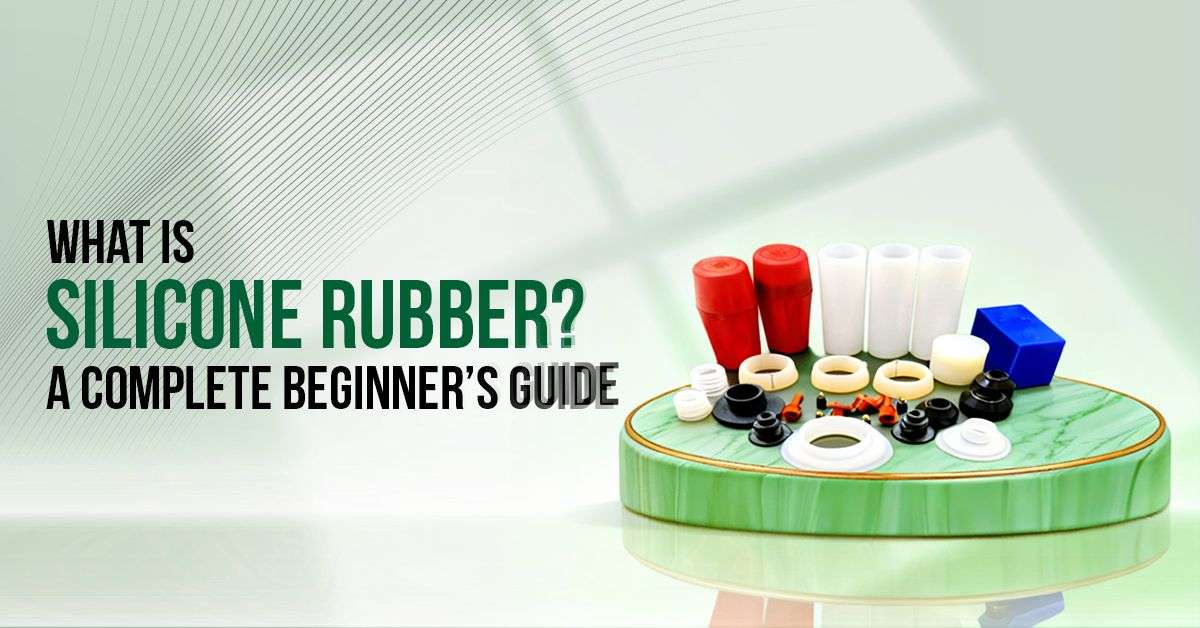
At Easkay India, we manufacture a wide variety of silicone rubber components such as seals, gaskets, plugs, bushes, maskings, O-rings, and more—tailored to meet industrial applications.
Types of Silicone Rubber
Silicone rubber comes in multiple forms, depending on the processing method and end-use requirement:
1. High-Temperature Silicone
Used for durable industrial components such as seals, washers, grommets, and moulded parts.
2. Room-Temperature Silicone
Used for coatings, adhesives, and sealants.
3. Liquid Silicone Rubber
Ideal for high-precision moulding and medical applications.
4. Food-Grade Silicone
Certified for safe contact with consumables.
Understanding the type of silicone helps businesses choose the right product for their operational needs.
Advantages of Silicone Rubber Over Other Materials
Why is silicone rubber preferred over traditional rubber or plastics?
✔️ Withstands extreme temperatures
Natural rubber hardens in cold and melts under heat; silicone does not.
✔️ Highly flexible and elastic
Ideal for sealing and vibration control.
✔️ Resistant to ageing and UV exposure
Unlike conventional rubber, silicone does not crack or degrade in sunlight.
✔️ Water, steam, and chemical resistant
Ensures long-term reliability.
✔️ Customisable for hardness, colour, and shape
Easkay India offers customised designs to suit exact industrial requirements.
These advantages make silicone rubber one of the most dependable materials in engineering and manufacturing.
Why Industries Choose Silicone Products from Easkay India
At Easkay India, we supply high-quality silicone components for automotive, electrical, medical, and industrial applications. Our focus is on:
- Consistent quality and material performance
- Custom moulding and rapid development
- Industrial-grade testing
- Competitive pricing
- On-time delivery
Our silicone rubber seals, gaskets, bushes, pipes, and O-rings are trusted by major OEMs for their durability and precision.
Conclusion
Silicone rubber is a powerful material that offers exceptional flexibility, durability, and temperature resistance. For industries that require reliable sealing, insulation, or cushioning in demanding environments, silicone rubber is often the best solution.
At Easkay India, we are committed to delivering silicone components that meet the highest standards of engineering and industrial performance.