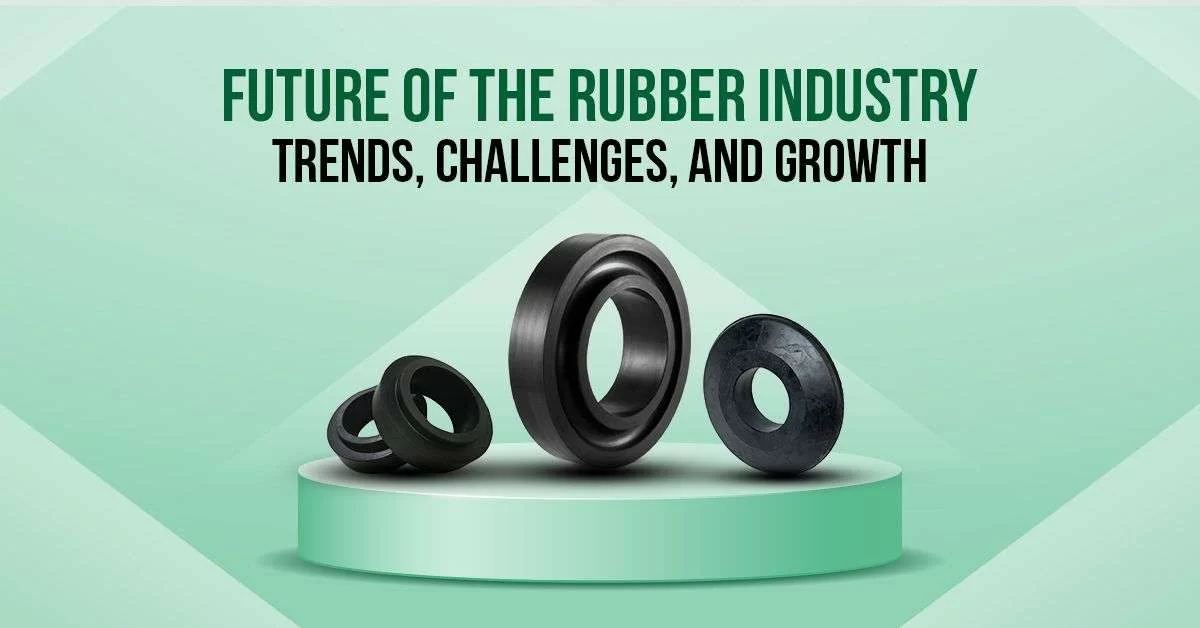
Future of the Rubber Industry: Trends, Challenges, and Growth
The rubber industry plays an important role in modern manufacturing. Rubber products are used in automobiles, machines, medical devices, electrical equipment, and daily-use products. As industries evolve and technology advances, the rubber industry is also changing. New materials, better machines, and higher quality expectations are shaping its future.
Growing Demand Across Industries
Demand for rubber products is increasing in many sectors:
- Automotive industry: Rubber parts like seals, gaskets, bushes, hoses, and vibration pads are essential in vehicles. With the growth of electric vehicles (EVs), there is a higher demand for rubber components that can handle heat and electrical insulation.
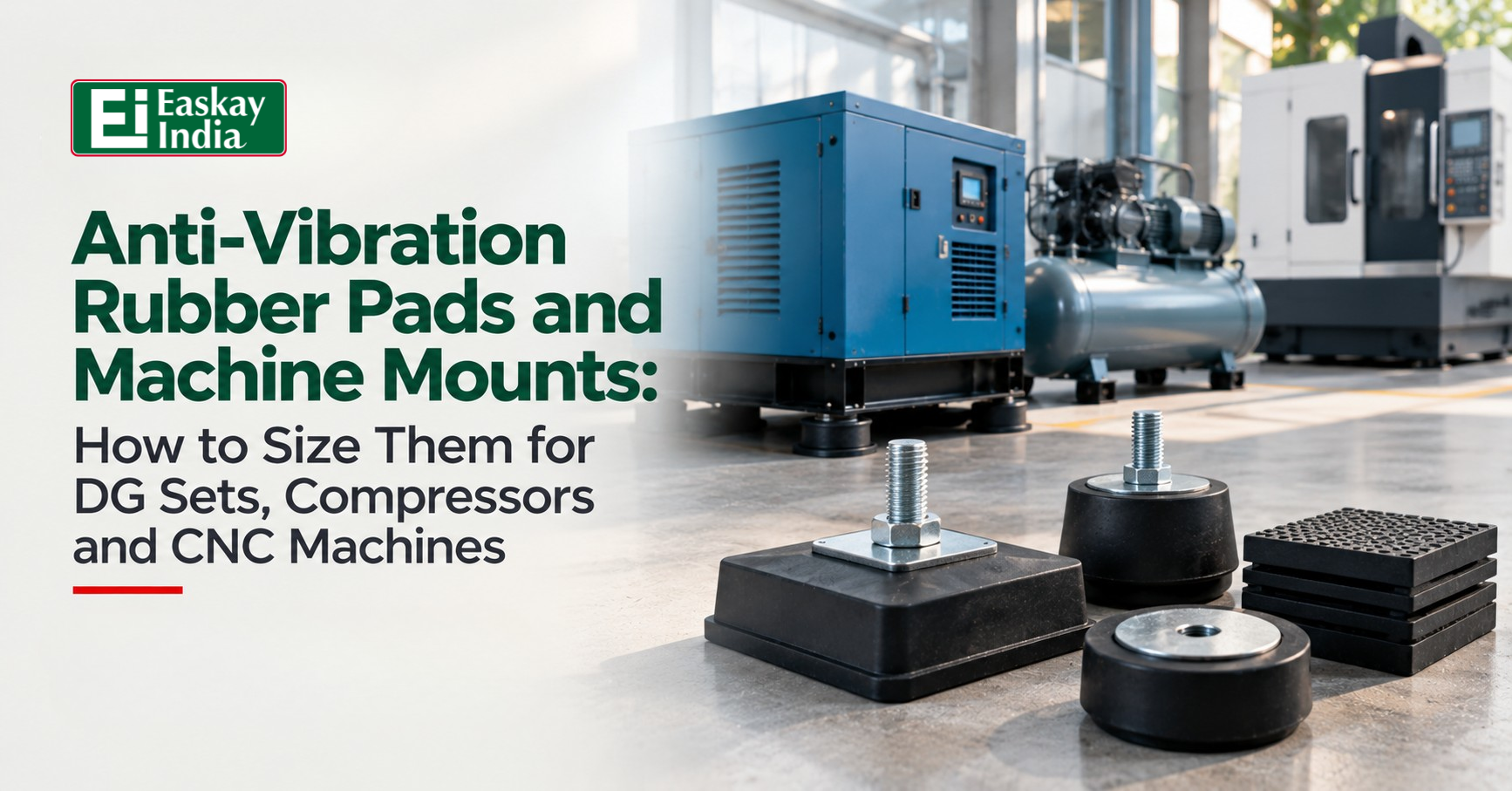
- Industrial machinery: Factories use rubber parts to reduce vibration, noise, and wear. These parts help machines run smoothly and safely.
- Medical and healthcare: Rubber and silicone products are widely used in medical equipment because they are flexible, safe, and long-lasting.
- Electrical and electronics: Rubber provides insulation and protection from dust, heat, and moisture.
Shift Toward Better Materials
One major change in the rubber industry is the use of advanced materials instead of basic rubber only.
- Natural rubber is still widely used due to its flexibility and strength.
- EPDM rubber is preferred for outdoor and weather-resistant applications.
- Nitrile rubber (NBR) is used where oil resistance is required.
- Silicone rubber is becoming very popular because it can handle high temperatures, is safe for medical and food applications, and lasts longer.
Choosing the right material helps improve product life, performance, and customer satisfaction.
Automation and Smart Manufacturing
Modern rubber manufacturing is moving toward automation and smart production systems.
- Machines with better controls help maintain accurate dimensions.
- Automated processes reduce human error and improve consistency.
- Regular mould maintenance and process monitoring reduce defects.
- Digital records help with traceability and quality checks.
Focus on Quality and Standards
Customers now expect strict quality control. Many industries require suppliers to follow international standards.
- Dimensional accuracy is critical for sealing and fitting.
- Regular testing for hardness, tensile strength, and compression set is essential.
- Proper documentation, like Material Test Certificates (MTC) and inspection reports, is often mandatory.
Companies that maintain strong quality systems build long-term trust with their customers.
Sustainability and Environmental Responsibility
Sustainability is becoming an important topic in the rubber industry.
- Manufacturers are trying to reduce waste during production.
- Energy-efficient machines help lower power consumption.
- Longer-lasting rubber products reduce replacement and waste.
- Recycled materials are being explored for non-critical applications.
Customers increasingly prefer suppliers who follow responsible and sustainable manufacturing practices.
Challenges in the Rubber Industry
While the future looks positive, the rubber industry also faces some challenges:
- Raw material price fluctuations can affect costs.
- Mould wear and maintenance can cause quality issues if not managed properly.
- Skilled manpower is required to handle advanced machines and quality systems.
- High competition puts pressure on pricing and delivery timelines.
These challenges can be managed with proper planning, preventive maintenance, and continuous improvement.
Growth Opportunities for Indian Manufacturers
India is becoming a strong manufacturing hub. Indian rubber manufacturers have good opportunities due to:
- Growing domestic demand
- Expansion of export markets
- Increased focus on Make-in-India products
- Availability of skilled engineering talent
Manufacturers who invest in better materials, modern machines, and strong quality systems will continue to grow.
Role of Easkay India
At Easkay India, we focus on manufacturing reliable rubber, silicone, PU, PVC, and plastic components for industrial use. Our approach includes:
- Careful material selection
- Controlled manufacturing processes
- Regular testing and inspection
- Preventive mould maintenance
- Clear documentation and customer support
By focusing on quality, consistency, and continuous improvement, we aim to support our customers with dependable rubber solutions.
Conclusion
The future of the rubber industry is driven by better materials, smart manufacturing, and higher quality expectations. While challenges exist, the growth opportunities are strong for manufacturers who adapt to change.
As industries evolve, rubber components will remain essential. Companies that focus on quality, innovation, and customer needs will continue to succeed in the years ahead.If you are looking for a trusted partner for rubber or silicone components, Easkay India is ready to support your requirements.
Recent Posts