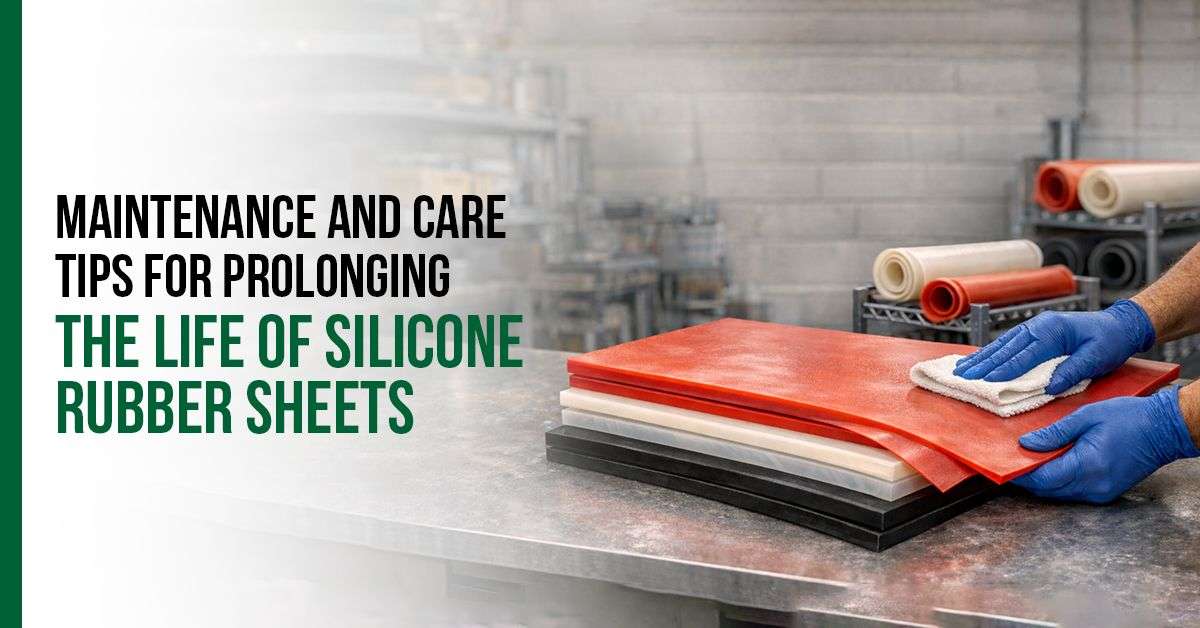
Maintenance and Care Tips for Prolonging the Life of Silicone Rubber Sheets
Silicone rubber sheets are widely used across industries due to their flexibility, thermal stability, chemical resistance, and long service life. From electrical insulation and gasketing to food processing and industrial sealing applications, silicone sheets play a critical role in ensuring operational reliability.
However, even high-performance materials require proper maintenance to maximize durability and performance. With the right care practices, businesses can significantly extend the lifespan of silicone rubber sheets while reducing replacement costs and downtime.
At Easkay India, we supply high-quality silicone rubber sheets for diverse industrial applications. Based on industry experience, here are essential maintenance and care tips to ensure long-term performance.
1. Regular Cleaning to Prevent Surface Degradation
Silicone rubber sheets are resistant to many chemicals, but prolonged exposure to dirt, oil, dust, and industrial contaminants can gradually affect surface integrity.
Best Practices:
- Clean sheets periodically using mild soap and water.
- Avoid harsh solvents unless compatibility is confirmed.
- Use soft cloths or non-abrasive sponges.
- Rinse thoroughly to remove residue.
2. Avoid Exposure to Incompatible Chemicals
Although silicone rubber has excellent chemical resistance, certain aggressive chemicals can cause swelling or degradation over time.
Important Precautions:
- Avoid prolonged exposure to concentrated acids or strong solvents.
- Verify compatibility when used in chemical processing environments.
- Ensure proper material grade selection based on application.
Selecting the correct silicone compound initially reduces the risk of premature failure.
3. Protect Against Mechanical Damage
Silicone sheets are flexible but can be damaged by sharp objects, excessive abrasion, or improper handling.
Preventive Measures:
- Store sheets flat to prevent warping.
- Avoid dragging sheets across rough surfaces.
- Use proper cutting tools for fabrication.
- Inspect regularly for cuts, tears, or edge damage.
Even minor surface cuts can expand under pressure or vibration, affecting sealing efficiency.
4. Maintain Proper Storage Conditions
Improper storage significantly reduces material life before installation.
Storage Recommendations:
- Store in a cool, dry environment.
- Avoid contact with sharp objects.
- Do not stack heavy loads on top of sheets.
Silicone is more UV-resistant than many rubbers, but controlled storage ensures consistent properties.
5. Monitor Temperature Exposure
One of silicone rubber’s strongest advantages is its wide operating temperature range. However, continuous exposure to temperatures beyond recommended limits may reduce elasticity over time.
Tips:
- Confirm operating temperature range before installation.
- Avoid prolonged exposure above rated limits.
- Conduct periodic inspection in high-temperature environments.
Proper application matching ensures long-term durability.
6. Inspect Compression Areas Regularly
When silicone sheets are used as gaskets or sealing layers, they experience compression.
Over time, excessive compression can cause permanent deformation (compression set), reducing sealing effectiveness.
Recommended Actions:
- Ensure correct torque during installation.
- Avoid over-tightening bolts.
- Replace sheets showing excessive flattening.
- Inspect sealing areas during routine maintenance.
Proper installation directly affects service life.
7. Ensure Proper Installation
Incorrect installation is one of the most common causes of premature failure.
Installation Guidelines:
- Cut sheets accurately to required dimensions.
- Ensure clean mating surfaces before placement.
- Avoid stretching during installation.
- Ensure even pressure distribution.
Precision installation enhances performance and prevents localized stress points.
8. Use Correct Thickness and Hardness
Selecting the right thickness and hardness (Shore A) for the application significantly impacts longevity.
- Thinner sheets may tear under high pressure.
- Softer grades may deform under heavy loads.
- Harder grades may not seal effectively in low-pressure applications.
Working with an experienced manufacturer ensures correct grade selection based on load, pressure, and environmental conditions.
9. Replace When Necessary — Do Not Delay
Even durable materials have a service limit. Signs that silicone sheets need replacement include:
- Visible cracks or tears
- Hardening or loss of flexibility
- Surface swelling
- Reduced sealing efficiency
- Permanent compression marks
Timely replacement prevents system failure and protects associated equipment.
Why Proper Maintenance Matters
Prolonging the life of silicone rubber sheets delivers several advantages:
- Reduced maintenance costs
- Lower downtime
- Improved sealing performance
- Increased operational reliability
- Better return on material investment
Industrial operations depend on consistent performance. Preventive maintenance is far more cost-effective than emergency replacement.
Conclusion
Silicone rubber sheets are engineered for durability, but their lifespan depends heavily on proper care, correct application, and routine inspection. By implementing regular cleaning, proper storage, correct installation practices, and timely replacement, industries can significantly extend their service life.
With the right material selection and maintenance practices, silicone sheets continue to deliver reliable performance in electrical, automotive, food processing, and industrial sealing applications.
For high-quality silicone rubber sheets designed for long-term industrial use, Easkay India provides reliable manufacturing solutions tailored to your application requirements.
Recent Posts